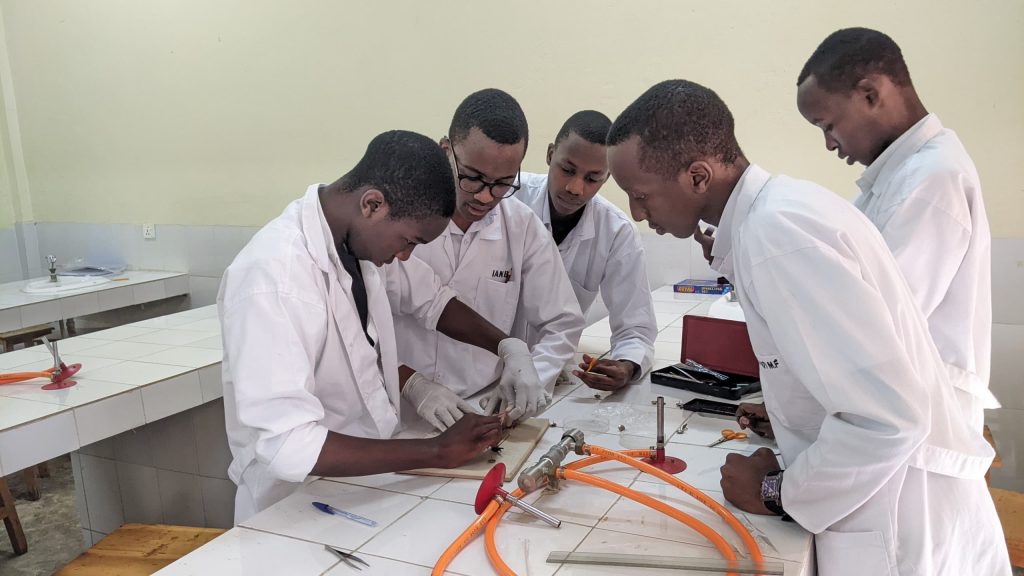
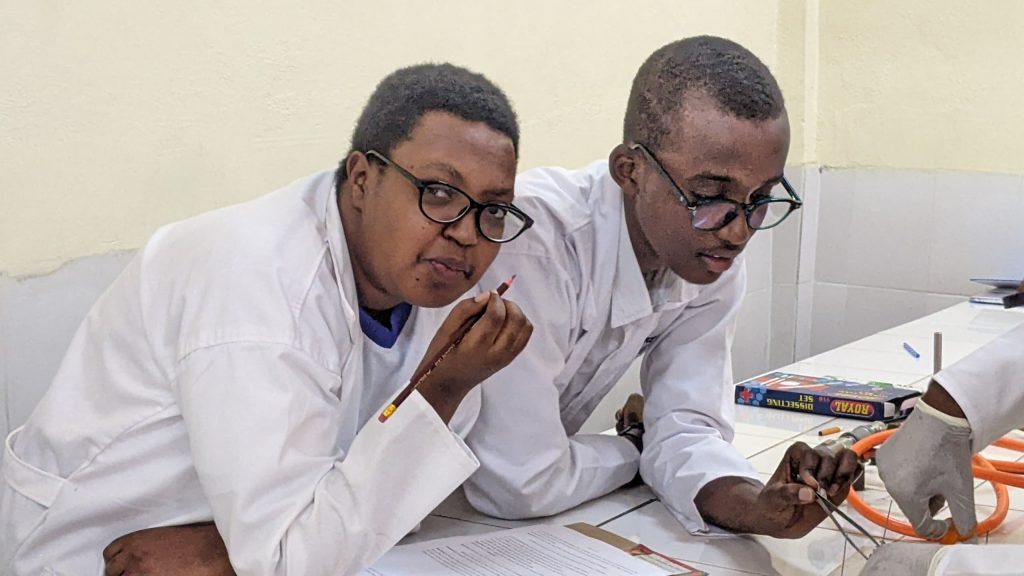
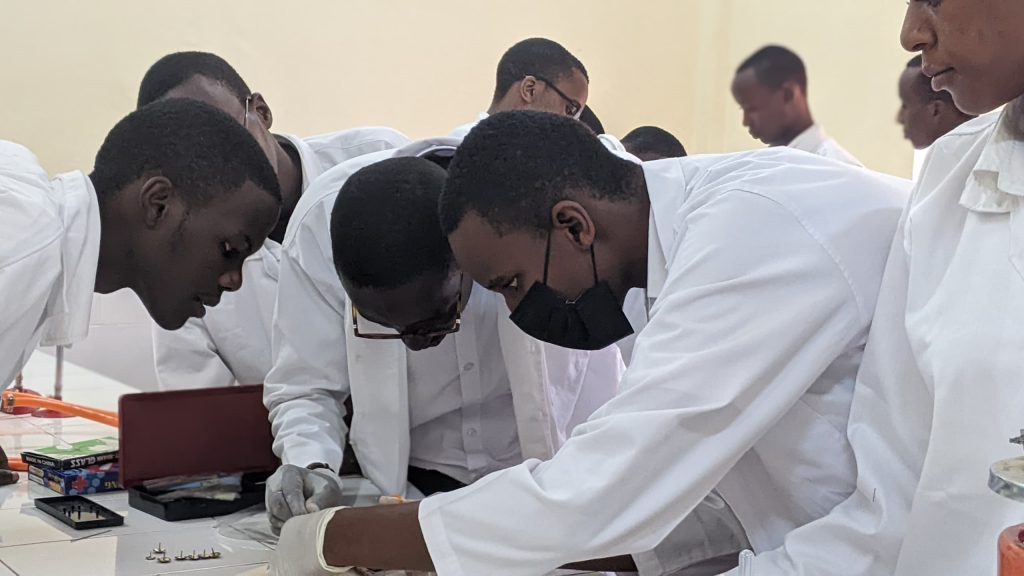
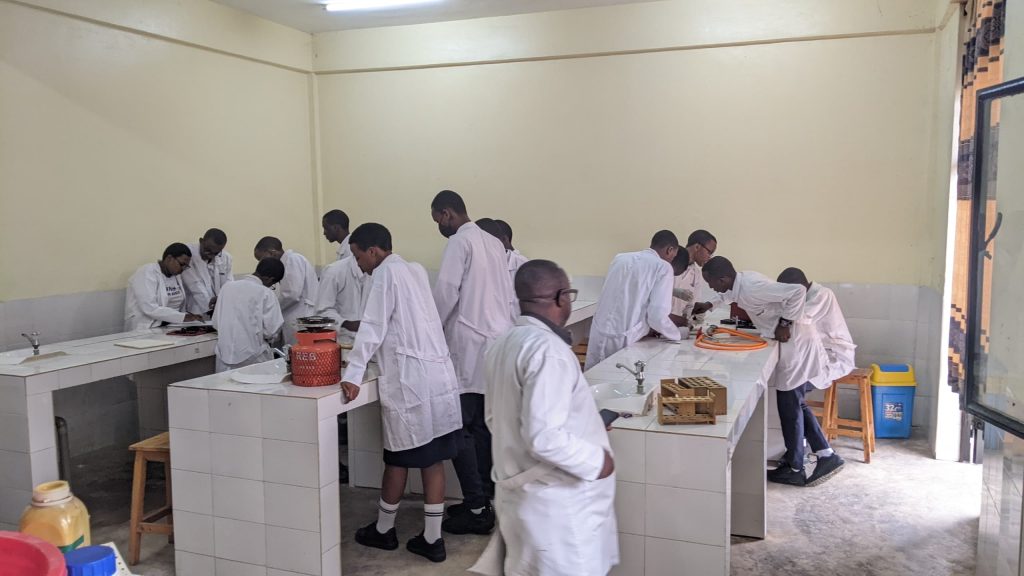
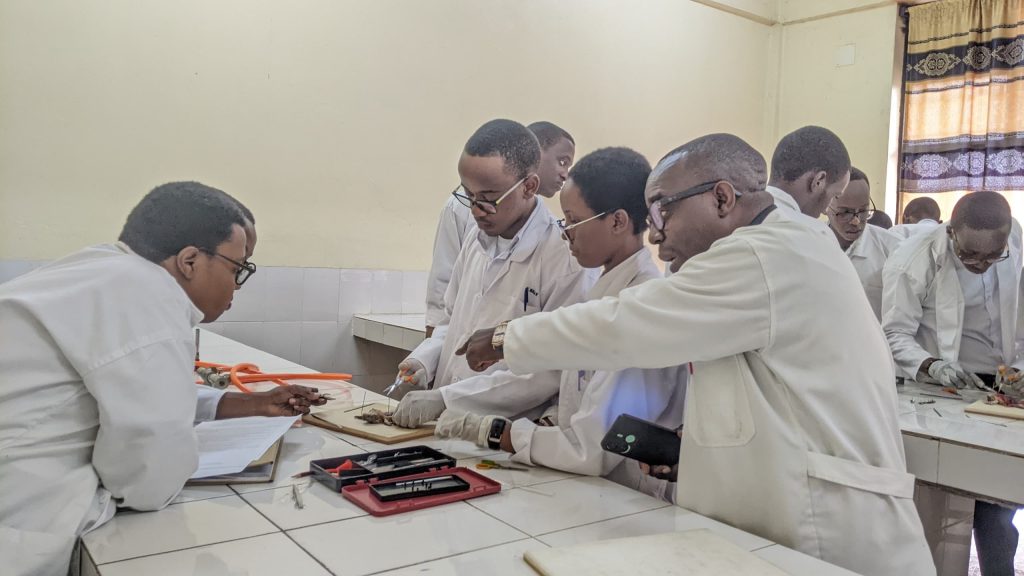
In biological studies, practical laboratory work plays a crucial role in enhancing students’ understanding of anatomy and physiology. One such important exercise is the dissection of amphibians, specifically to observe their respiratory system. This process allows students to examine firsthand the unique adaptations amphibians have developed for respiration, as they lack a thoracic cage and diaphragm.
Amphibians, such as frogs, possess a dual respiratory system, enabling them to survive in both aquatic and terrestrial environments. Their respiratory adaptations include:
Lung Respiration: Unlike mammals, amphibians have simple lungs without bronchi, bronchioles, or alveoli. These lungs facilitate gas exchange in air, providing oxygen to the body.
Skin Respiration: Amphibians can absorb oxygen directly through their moist skin, which is vital for survival in aquatic environments and during periods of inactivity on land.
Buccopharyngeal Respiration: The lining of the mouth and throat also plays a role in gas exchange, contributing to their ability to breathe even when submerged.
Purpose of Amphibian Dissection
By dissecting an amphibian during laboratory practical work, students gain valuable insights into the structural adaptations that support these respiratory mechanisms. Observing these structures firsthand allows students to:
- Understand the functions of each respiratory adaptation.
- Compare amphibian respiration with other vertebrates.
- Gain a deeper appreciation for the evolutionary significance of these adaptations.
For students pursuing careers in medicine and biological sciences, amphibian dissection offers numerous educational advantages: Understanding Basic Anatomy,
Developing Dissection Skills, Learning Comparative Physiology
Studying amphibian respiration, circulation, and organ function allows students to appreciate evolutionary adaptations and physiological similarities among species.
Enhancing Observational and Analytical Skills: Hands-on dissection fosters critical thinking, attention to detail, and scientific inquiry—essential skills for medical professionals.
Appreciating Ethical and Biological Complexity: Handling real specimens helps students understand the ethical considerations of working with living organisms, an important aspect of medical practice.